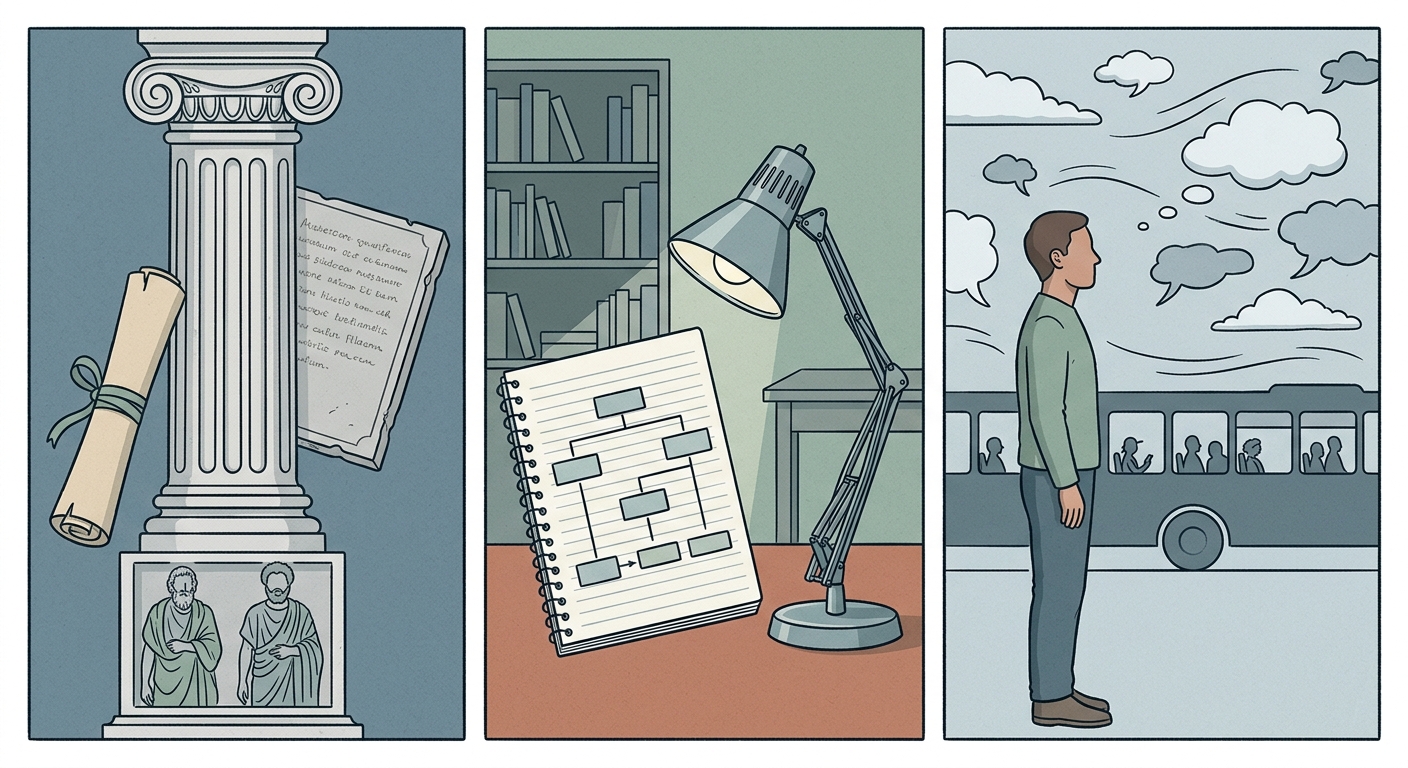
The Time-Traveler's Guide to Mental Survival: The Ancient Philosophy Behind Modern Therapy
How Stoicism, CBT, and ACT independently converged on cognitive appraisal as the lever of resilience — with practical tools from each tradition.
How Stoicism, CBT, and ACT independently converged on cognitive appraisal as the lever of resilience — with practical tools from each tradition.

An honest comparison of Anki vs AI flashcard generators, grounded in memory science — plus a Claude+Anki workflow that uses AI where it helps and keeps the effort where it matters.

Learn how metacognition helps self-directed learners plan, monitor, and adjust study habits for better long-term retention.

Evidence-based strategies for test anxiety — practice testing, reset skills, and accommodations for ADHD and autistic learners. With honest effect sizes.

Ten practical strategies for studying in an attention economy built to distract you. Written for adult learners with ADHD and executive-function demands.
Critical thinking, skepticism, and empiricism as the foundation of individual rights — the Enlightenment history, and habits for thinking more clearly.

You have less conscious command of your focus than you think. The setup, rituals, and environment that lead to flow — or at least to fewer distractions.

Walter Pauk's Cornell method, step by step: how to split the page into cues, notes, and summary — and why the layout turns note-taking into active recall.

From William James to Baddeley and Hitch: how our model of working memory was built, study by study — a follow-up to Executive Functions and Working Memory.
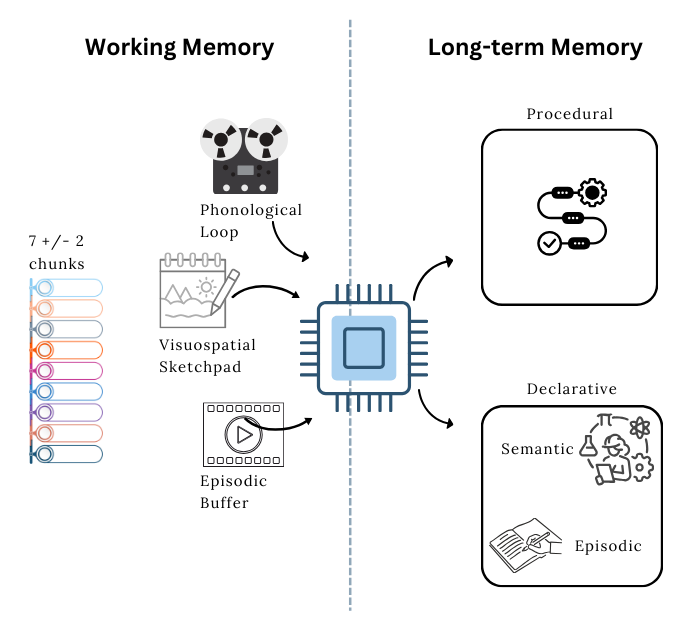
How attention control, working memory, and cognitive flexibility shape what you can learn — and the lifestyle and training factors that affect them.
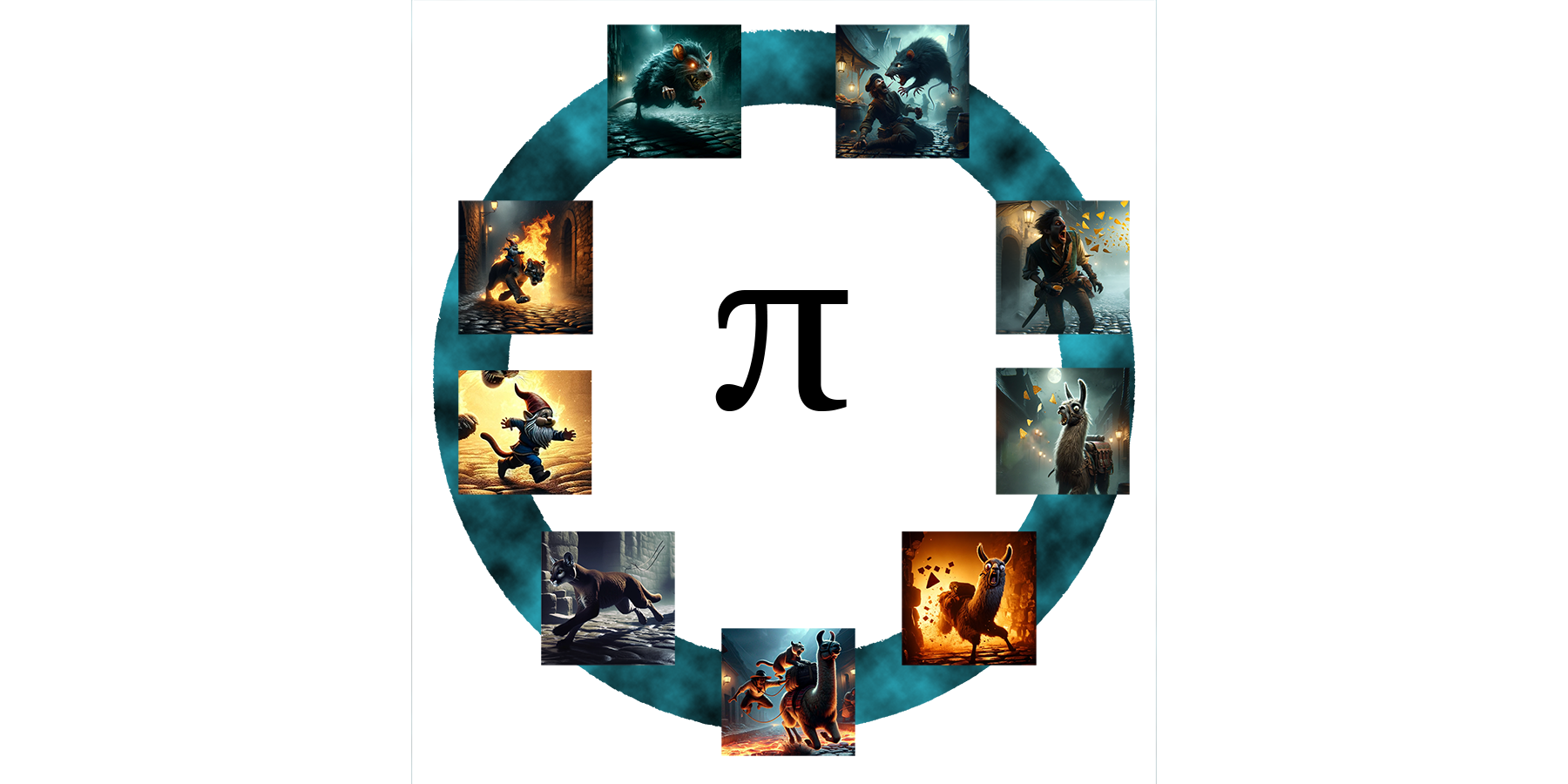
Turn digits into consonant sounds and sounds into memorable words — the history of the Major System, how to use it, and the tools that make it faster.

Simple to explain, quick to show results, and worth the practice: a step-by-step method of loci walkthrough, with the thirteen colonies as a worked example.

Adler's four levels of reading for comprehension, plus an honest look at speed reading — what the techniques really deliver, and what the courses oversell.

A mnemonic system for remembering ordered lists: rhyming pegs for one through ten, how to build the images, and a worked example you can practice today.

The techniques that actually improve retention — spaced repetition, active recall, interleaving — and how to build them into a study habit that sticks.